
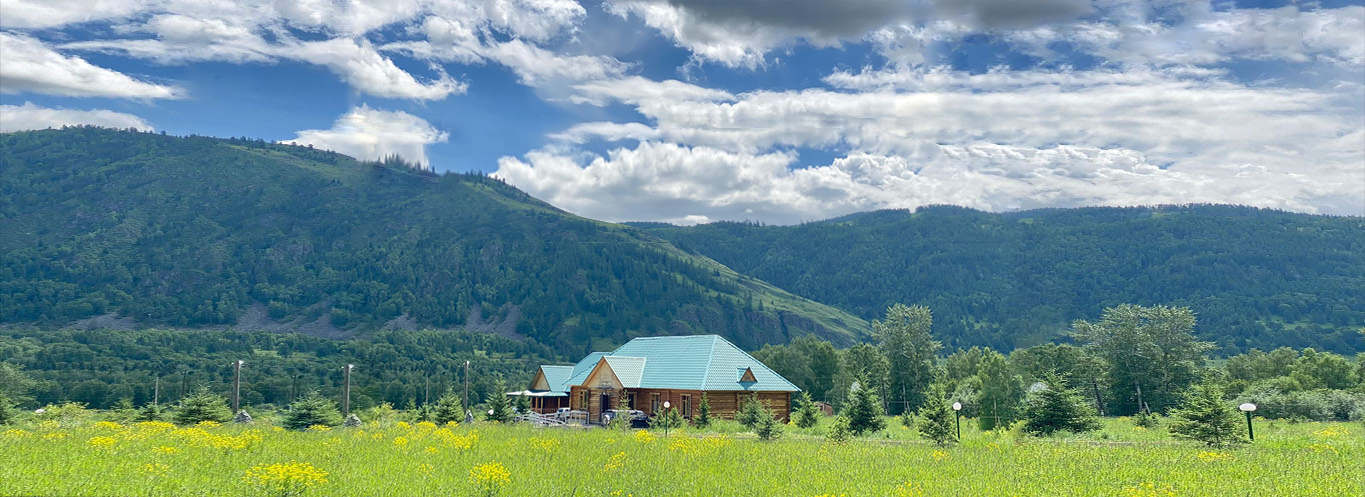








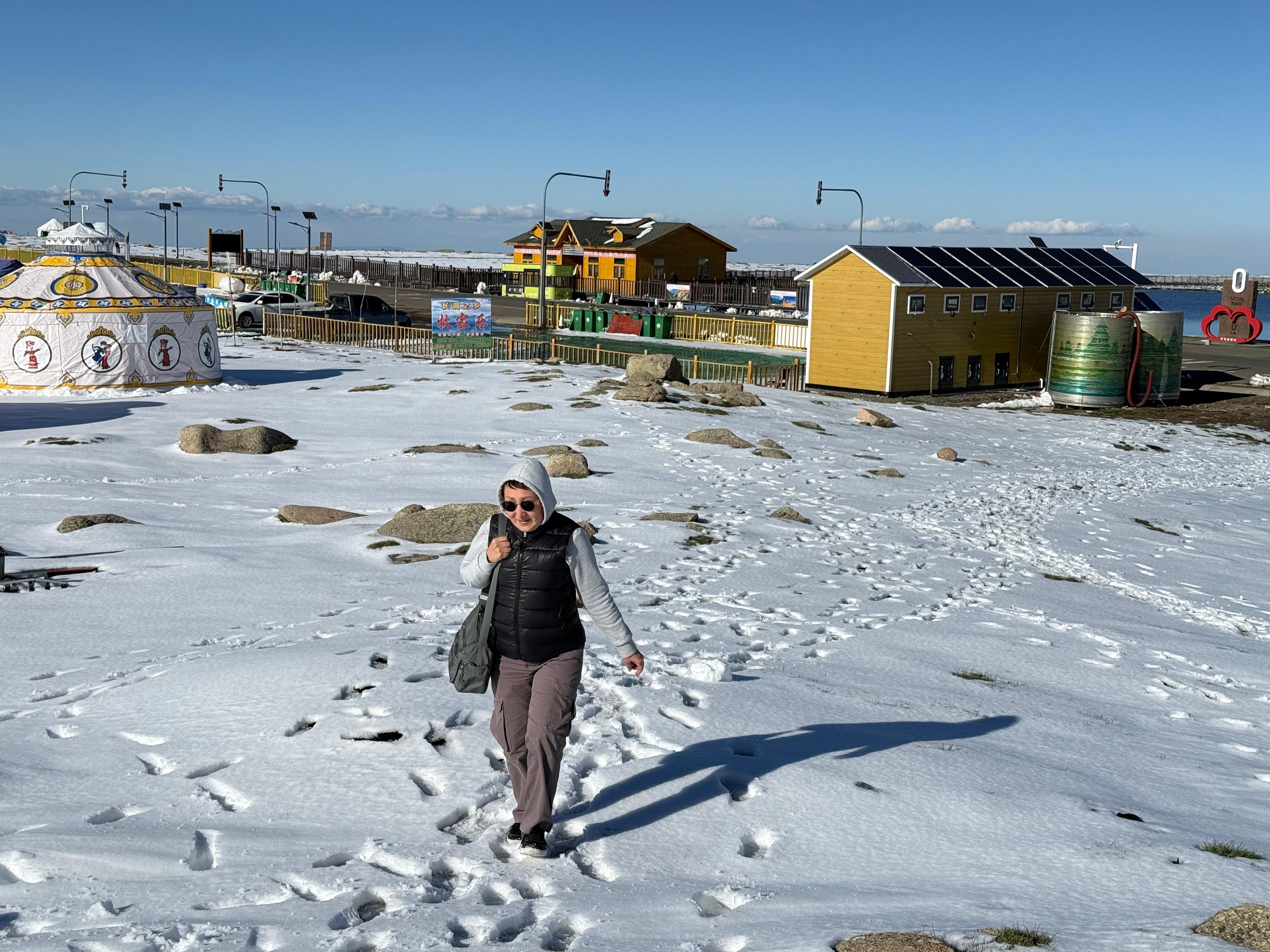
The research trip was conducted in Altay Prefecture of the Ili Kazakh Autonomous Prefecture, Xinjiang Uyghur Autonomous Region of the People’s Republic of China. From a historical and geographical perspective, this region constitutes one of the traditional areas of Kazakh settlement. Its administrative centre is Altay City. The prefecture comprises Qinggil, Koktokay, Burultokay, Burqin, Habahe, and Jeminay counties, as well as Altay City.
Kazakhs account for 52.76% of the region’s population [Shen et al., 2024 – Shen R., Jiang S., Cheng R., Zhuge J., Li X., Yao H., Zhang M. Kazakh adults in Xinjiang have a prevalent obesity problem but a low prevalence of diabetes. BMC Public Health. 2024. Vol. 24(1). P. 689. DOI: https://doi.org/10.1186/s12889-024-18228-z].
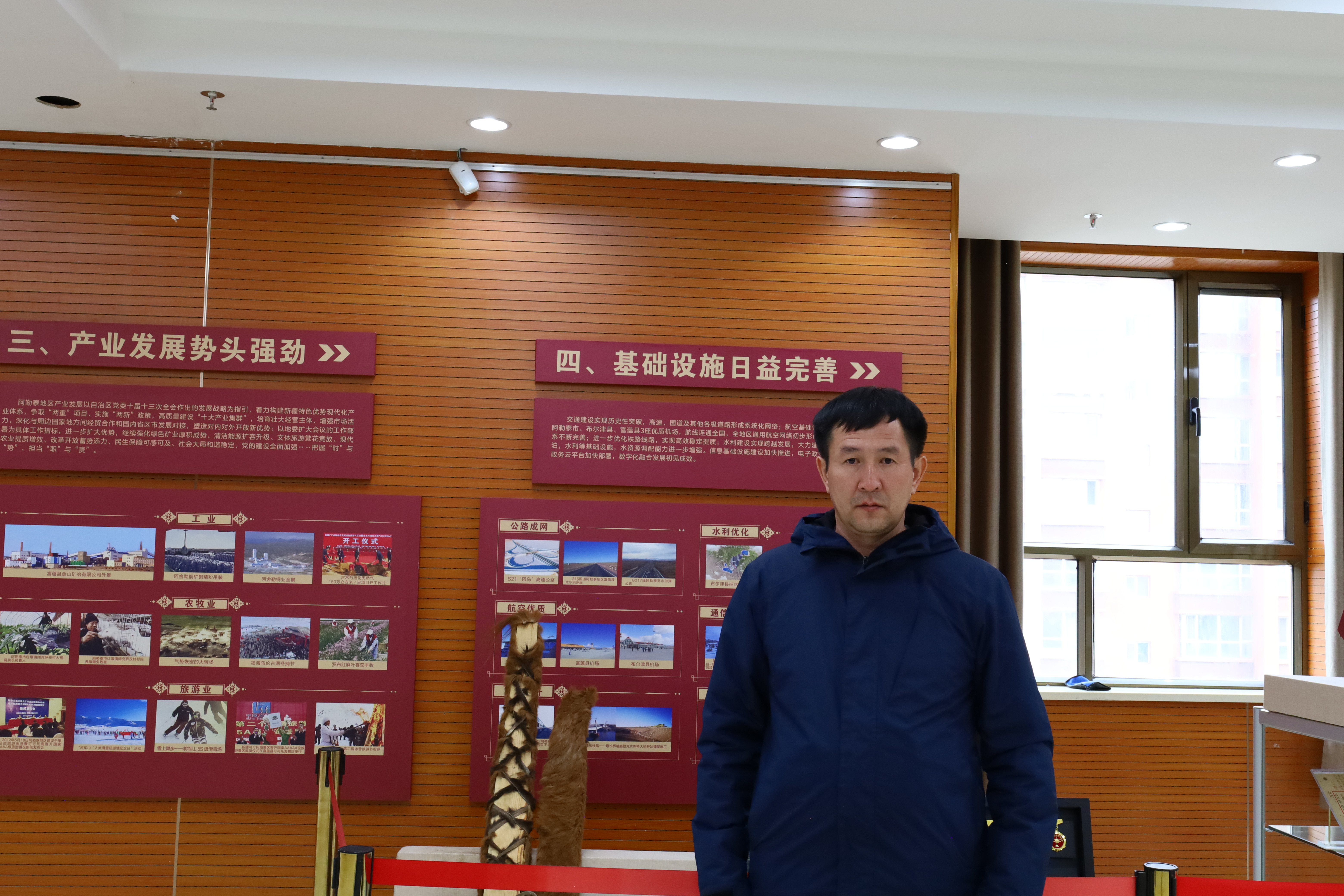
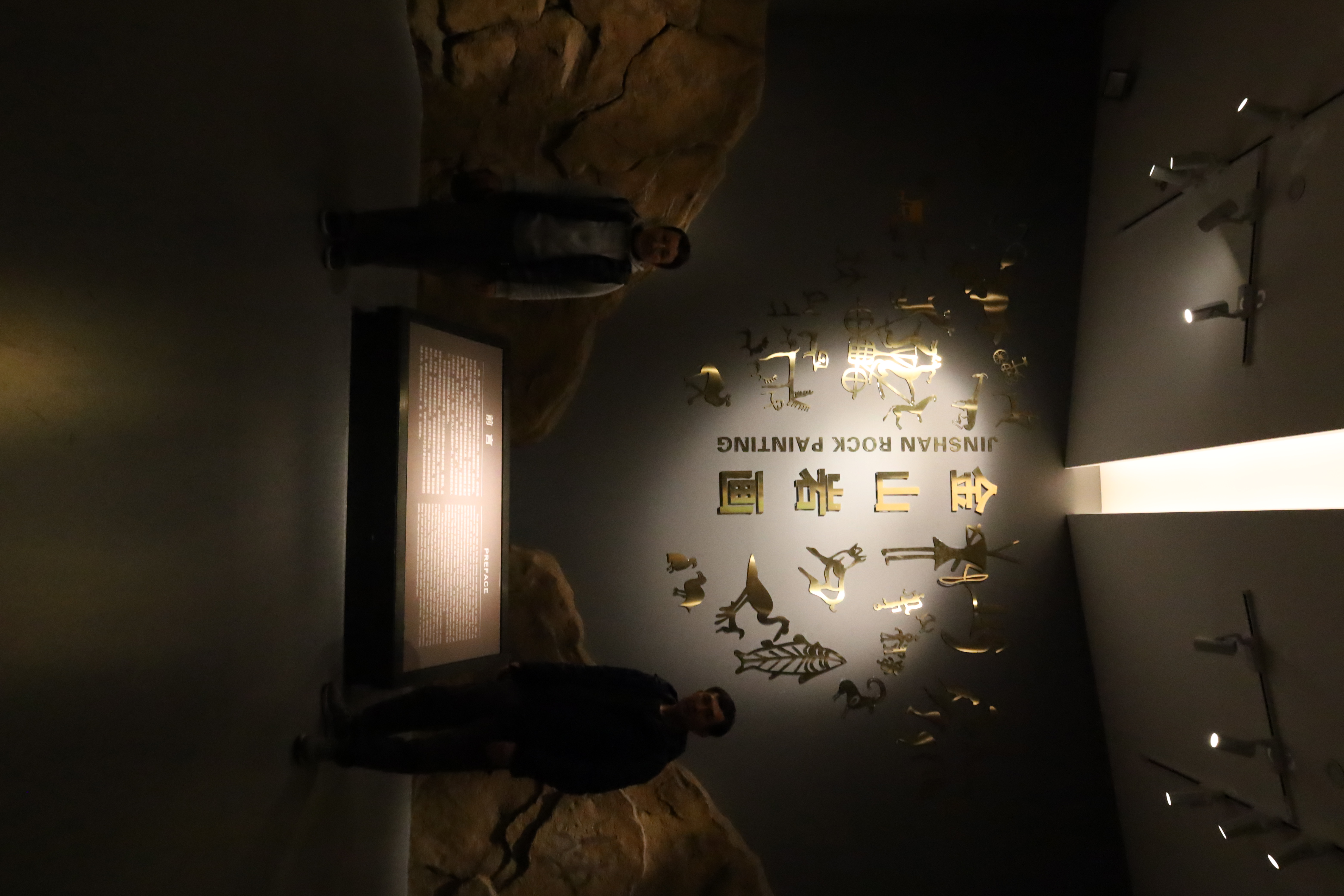
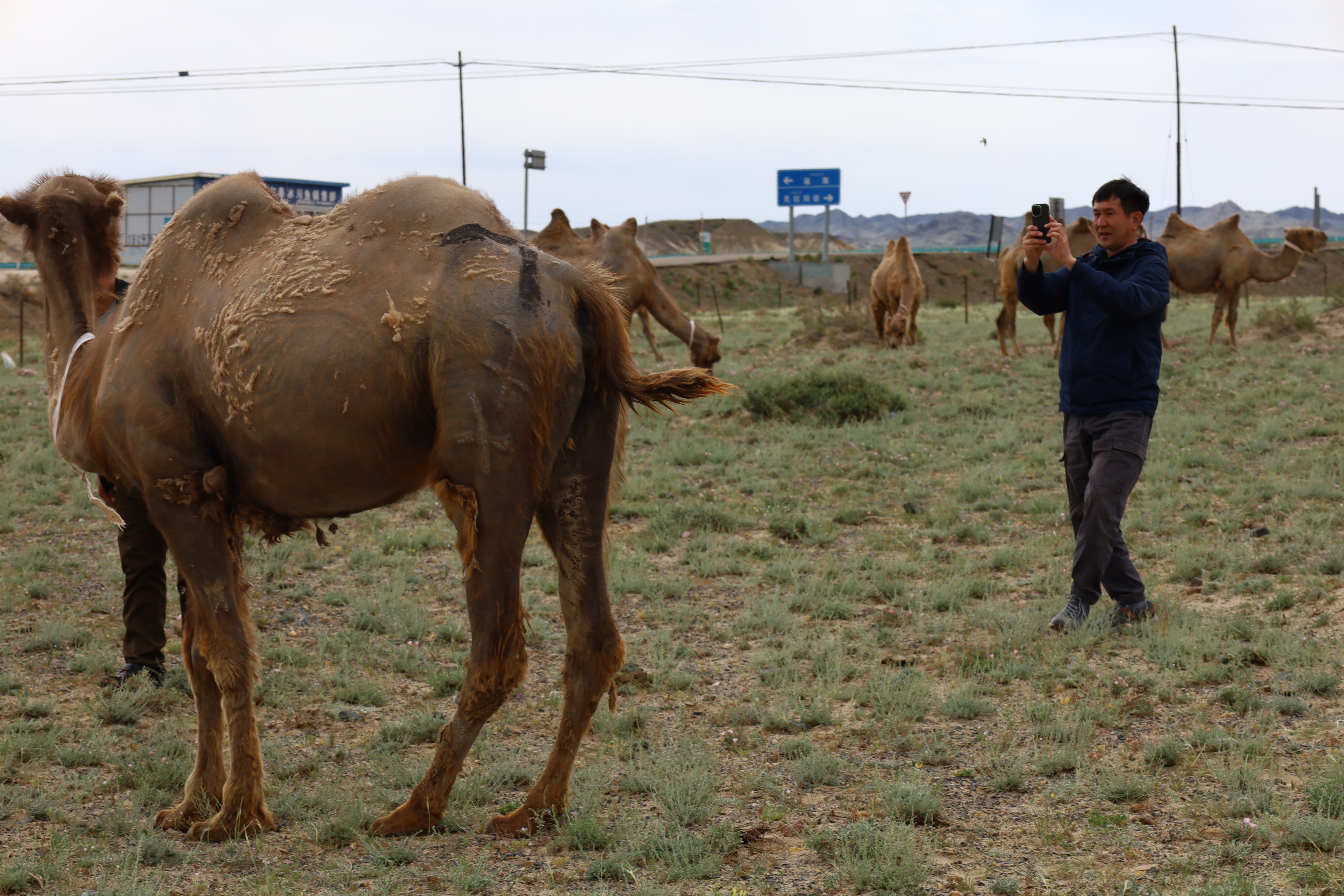
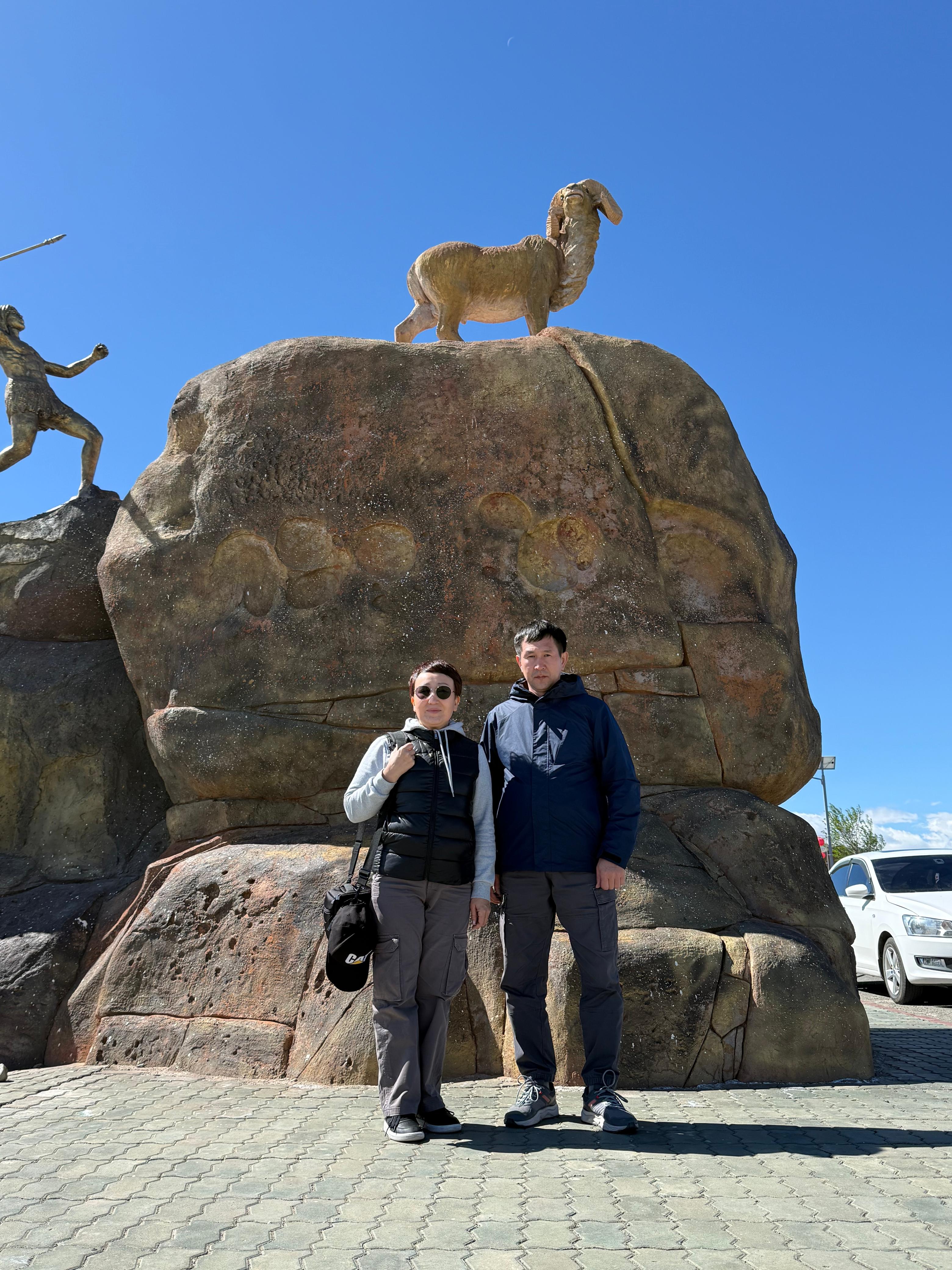
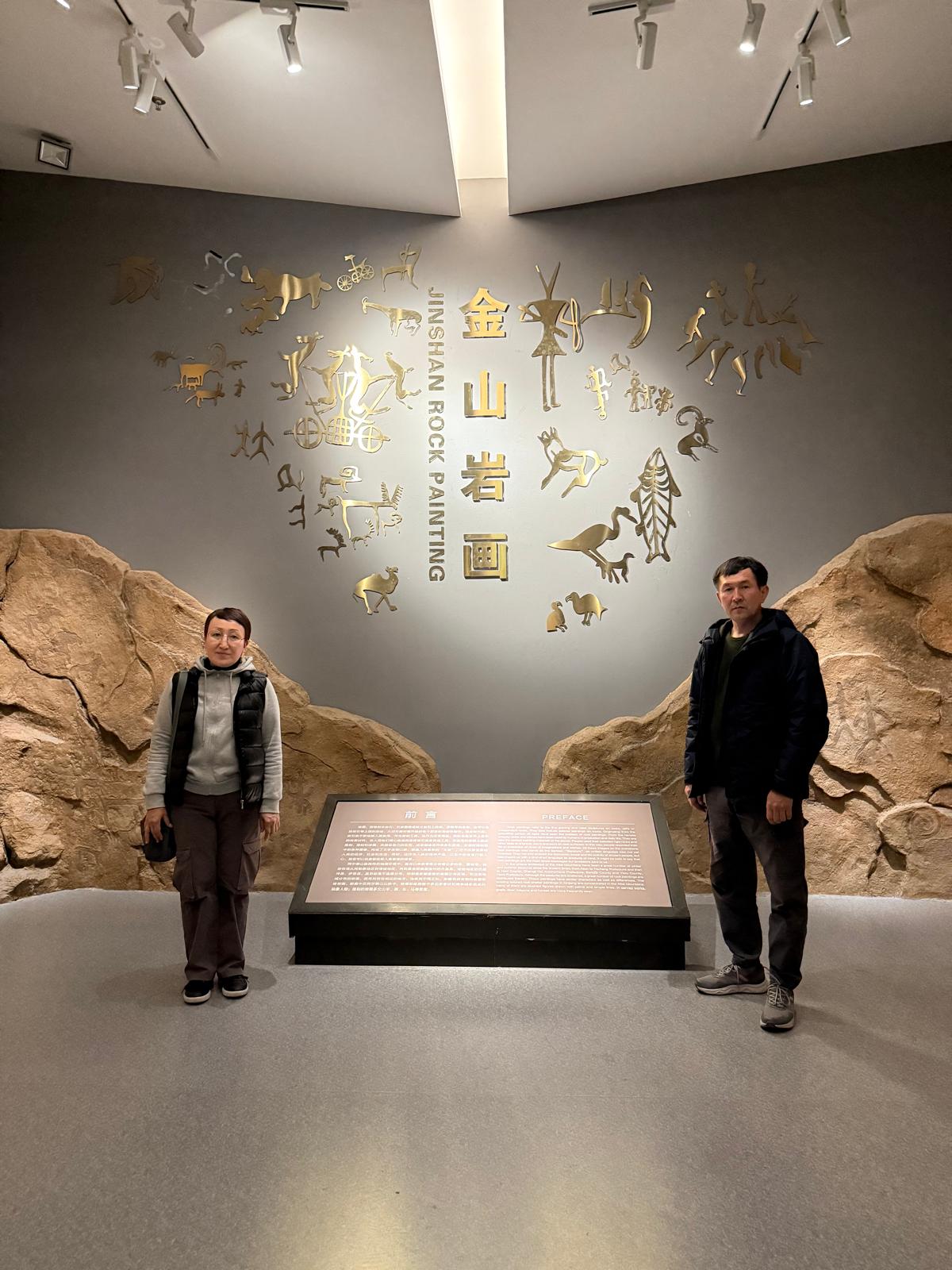
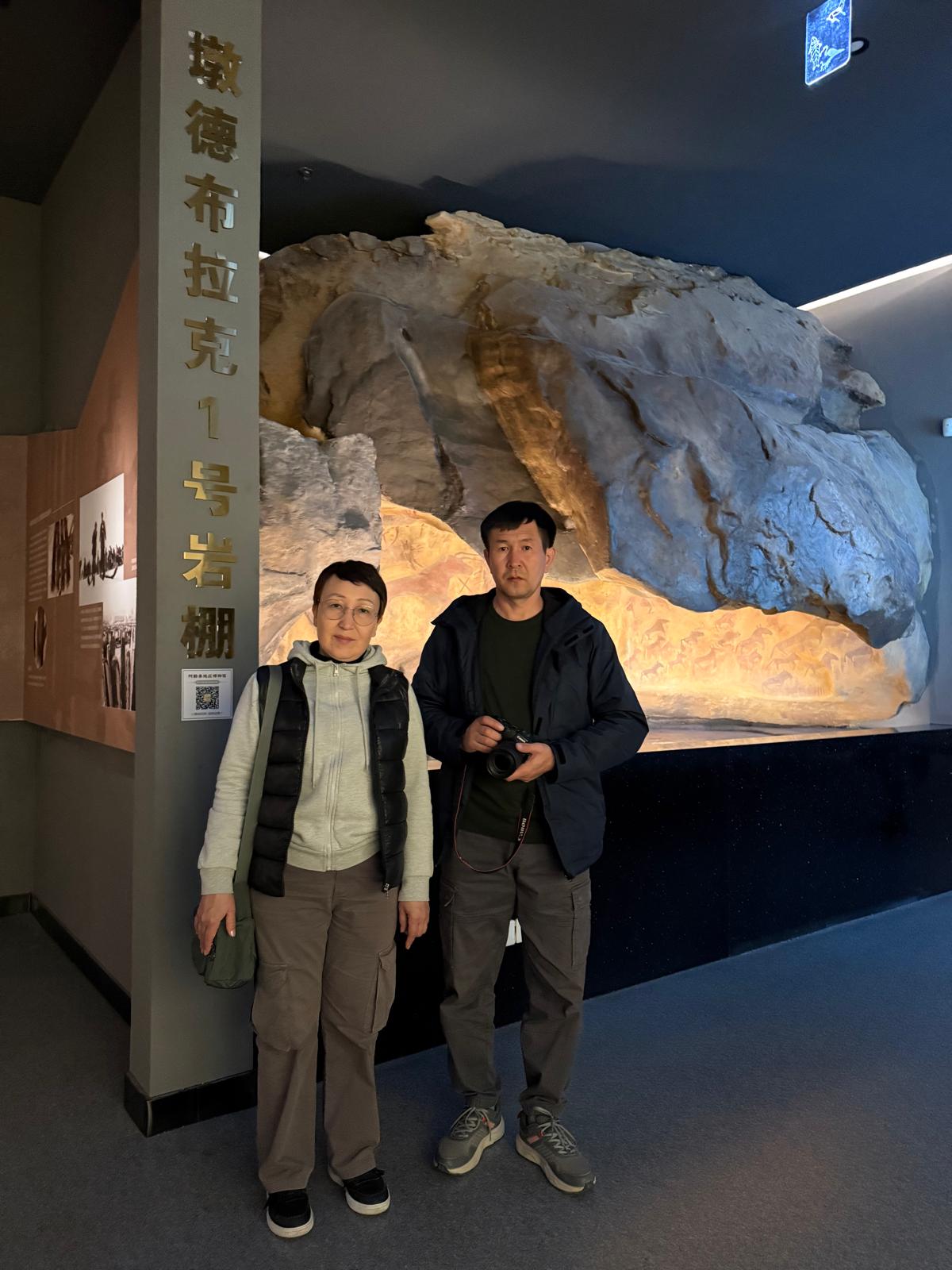
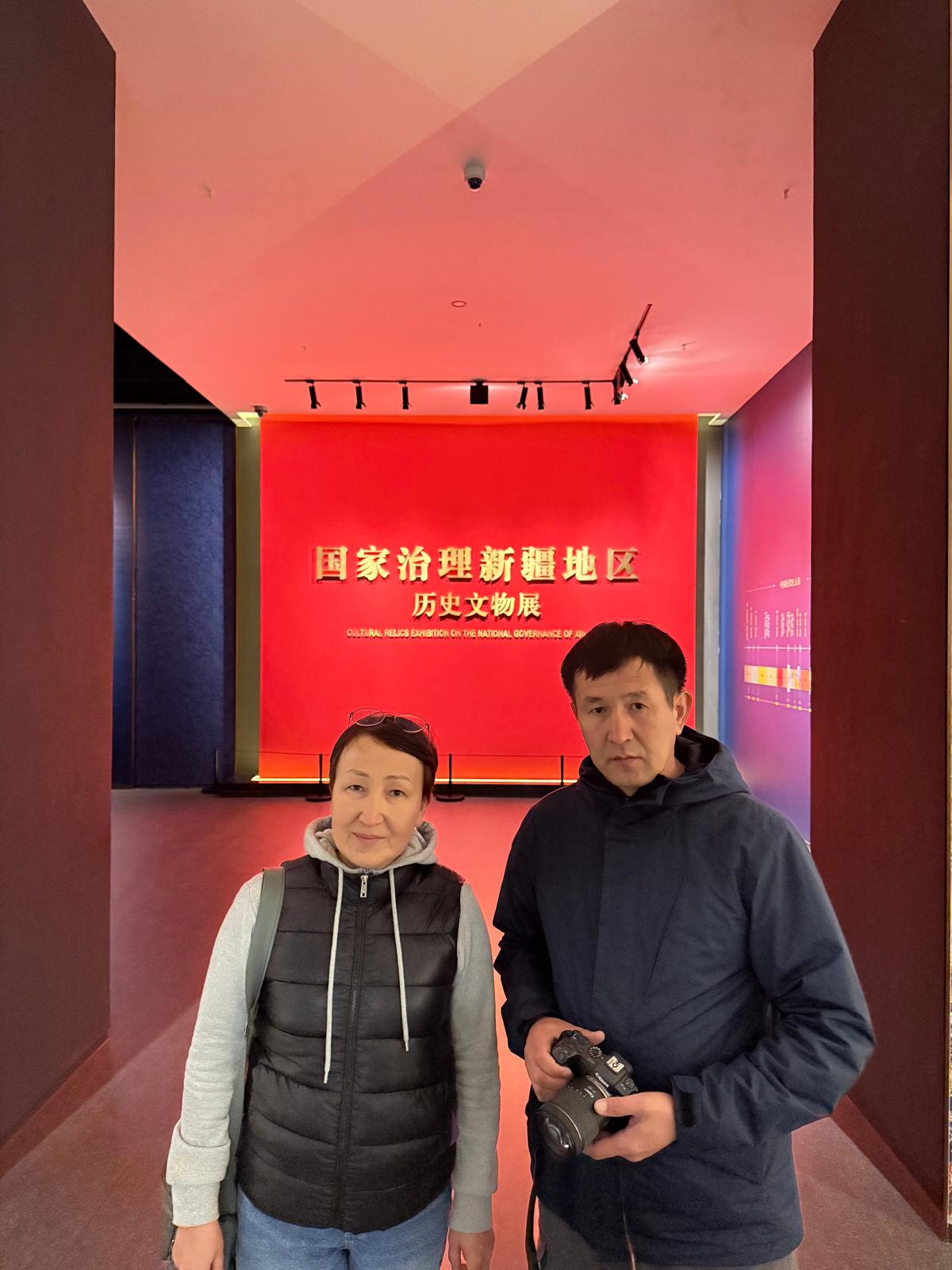
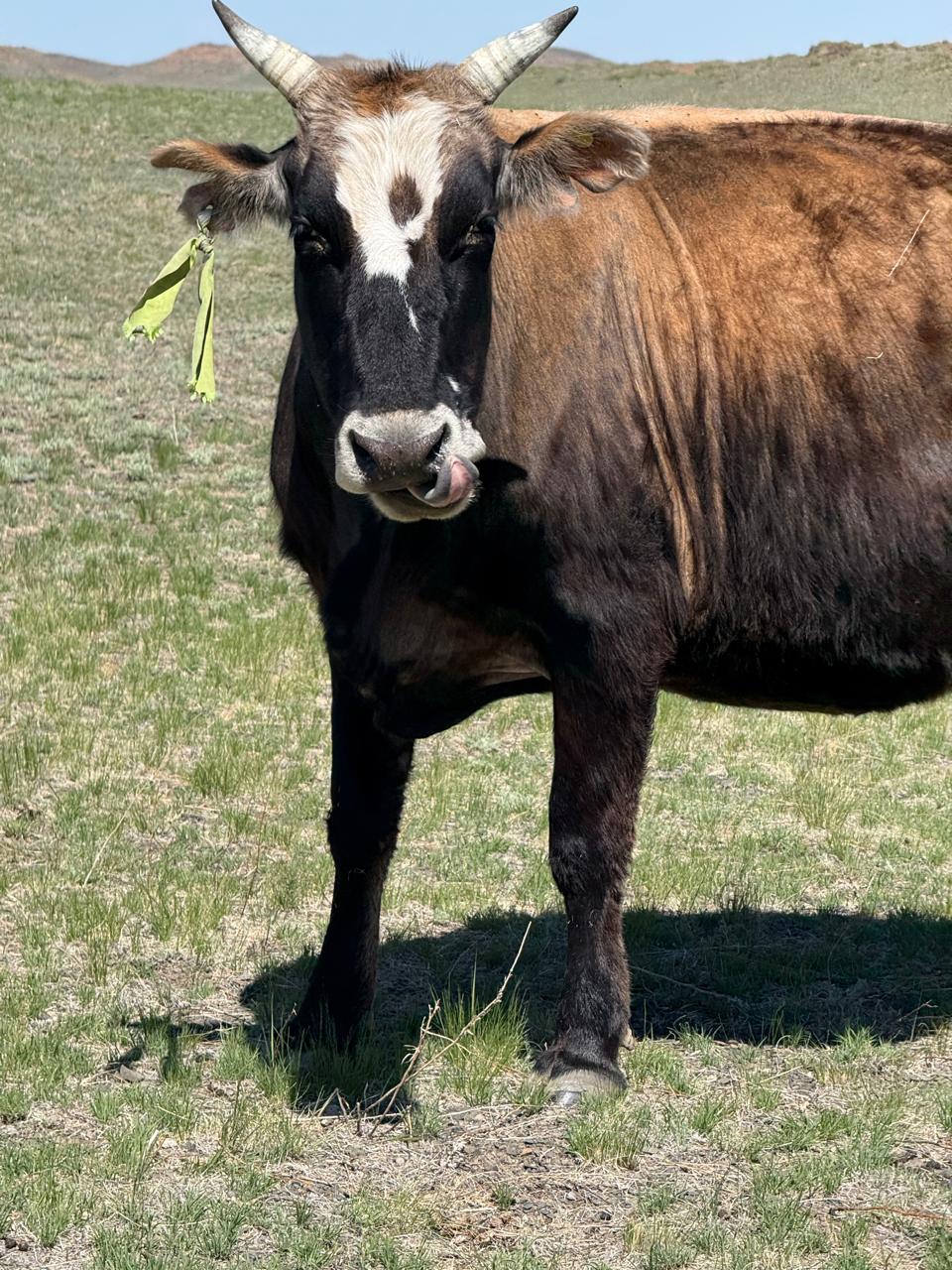
The purpose of the research trip was to investigate the historical and cultural heritage of the Kazakhs of Altay, their traditional tamga system, ethnographic characteristics, and material culture. During the fieldwork, photographic documentation, interviews, graphic recording, and comparative analysis were employed. Materials relating to traditional economic practices and the use of tamgas were collected.
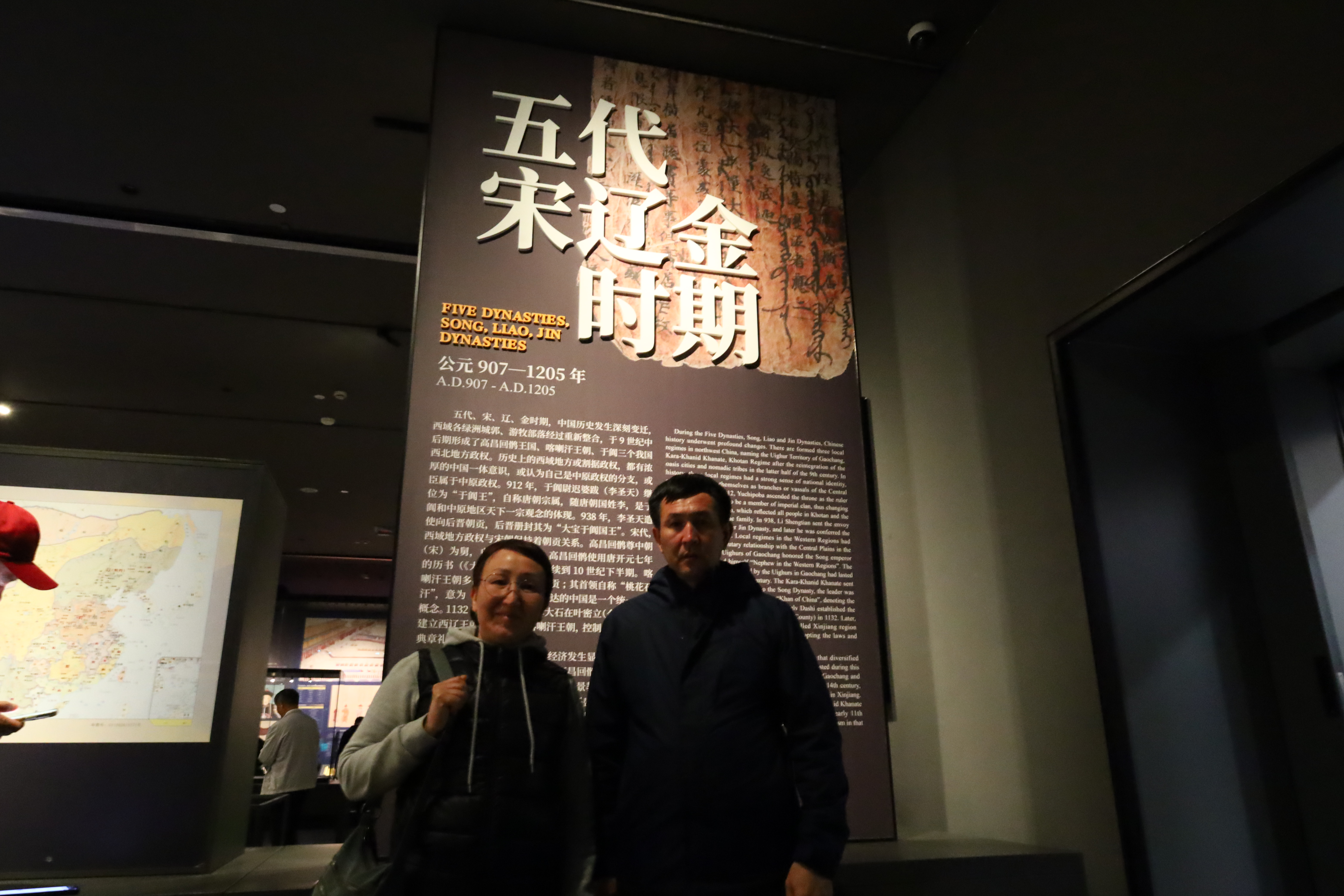
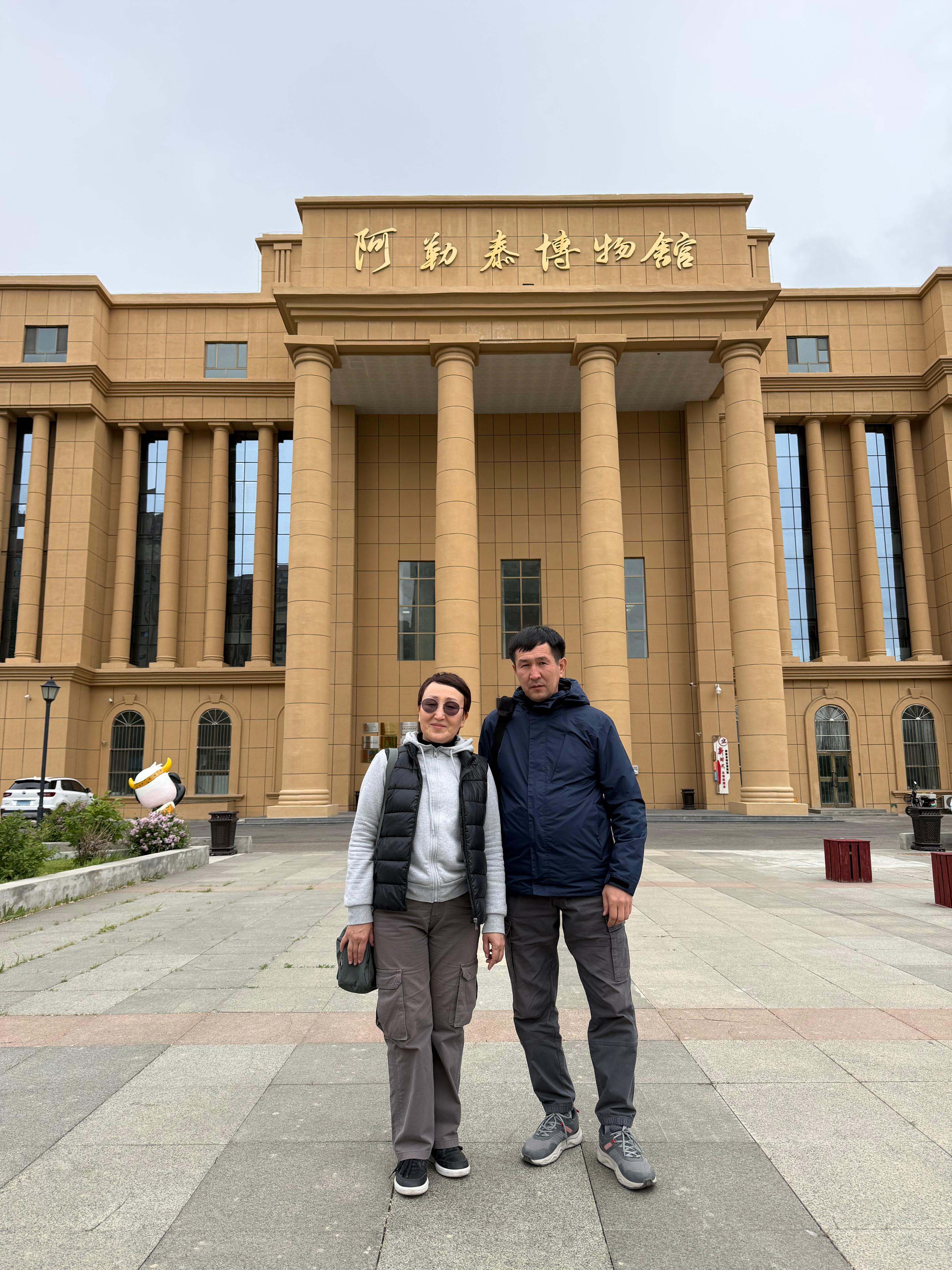
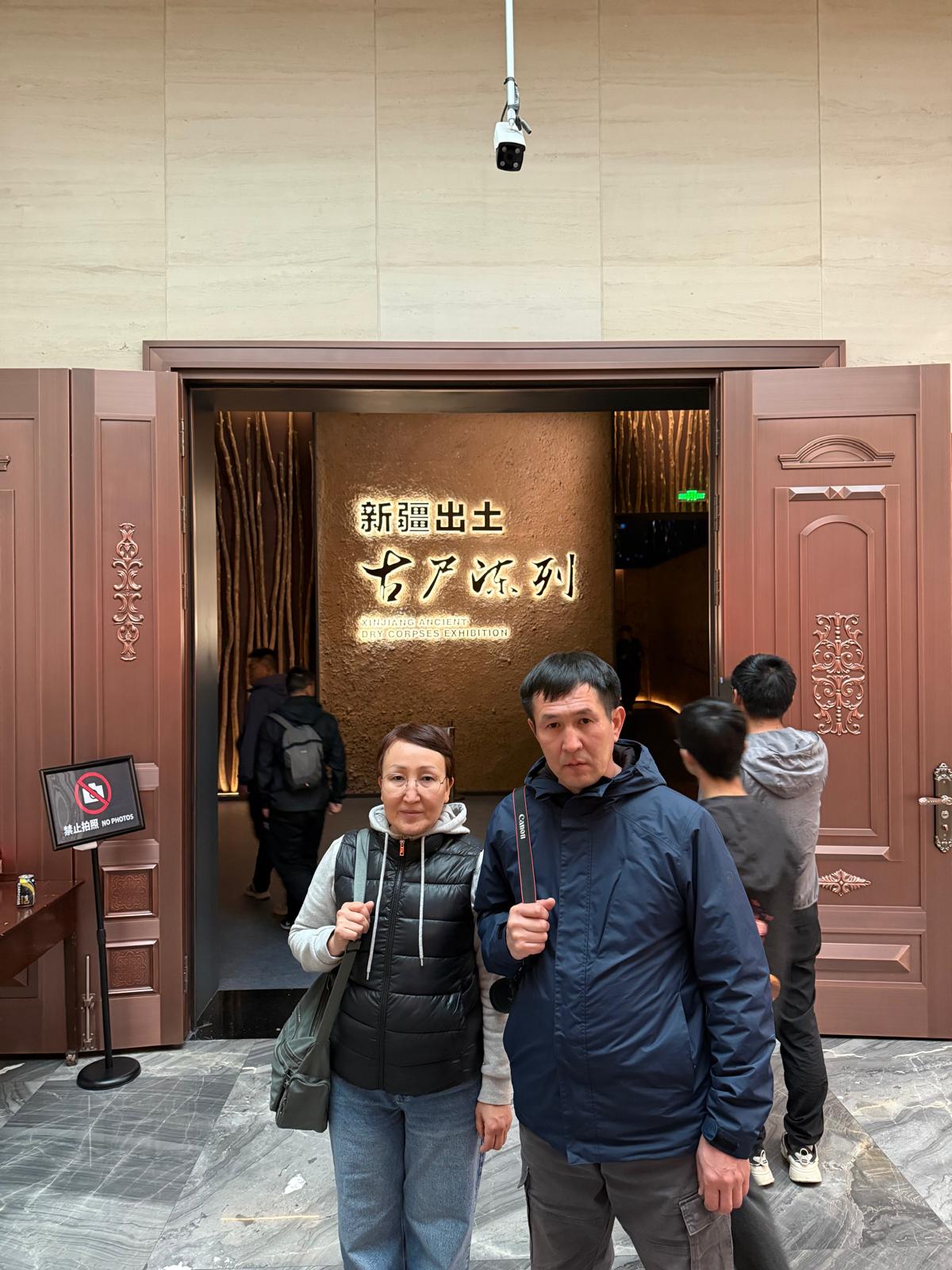
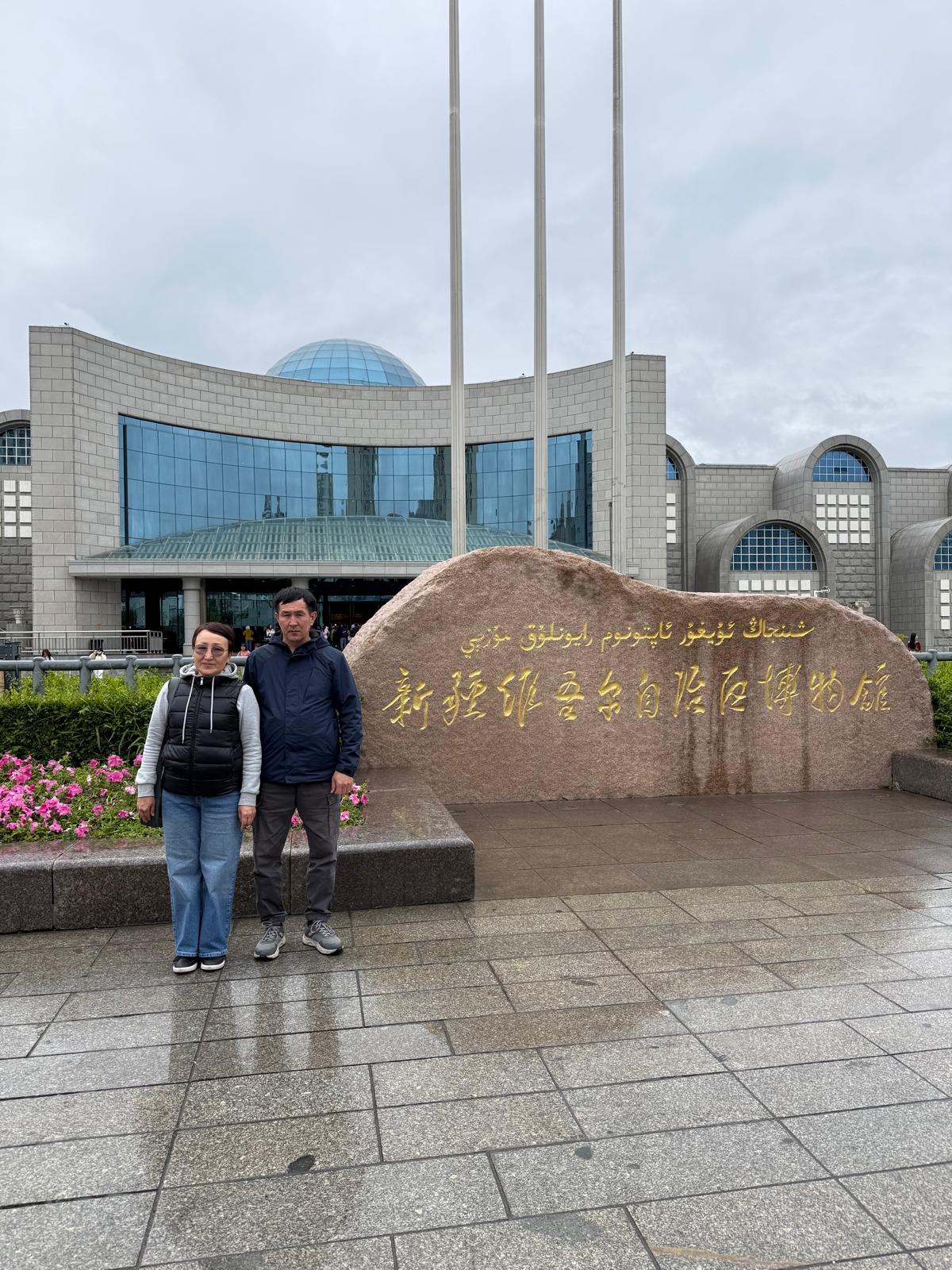
As part of the research, relevant archaeological and ethnographic materials held in the collections of the Tongtiandong Cave Site Museum-Reserve (通天洞遗址), the Xinjiang Uyghur Autonomous Region Museum (新疆维吾尔自治区博物馆), and the Altay Museum (阿勒泰博物馆) were examined. The collected data provide an important source base for further research into Kazakh tamga culture and systems of signs and symbols within nomadic society.
https://berelmuseum.kz/en/science/event-calendar/857-research-trip-to-china.html#sigFreeId2f3cb97503