
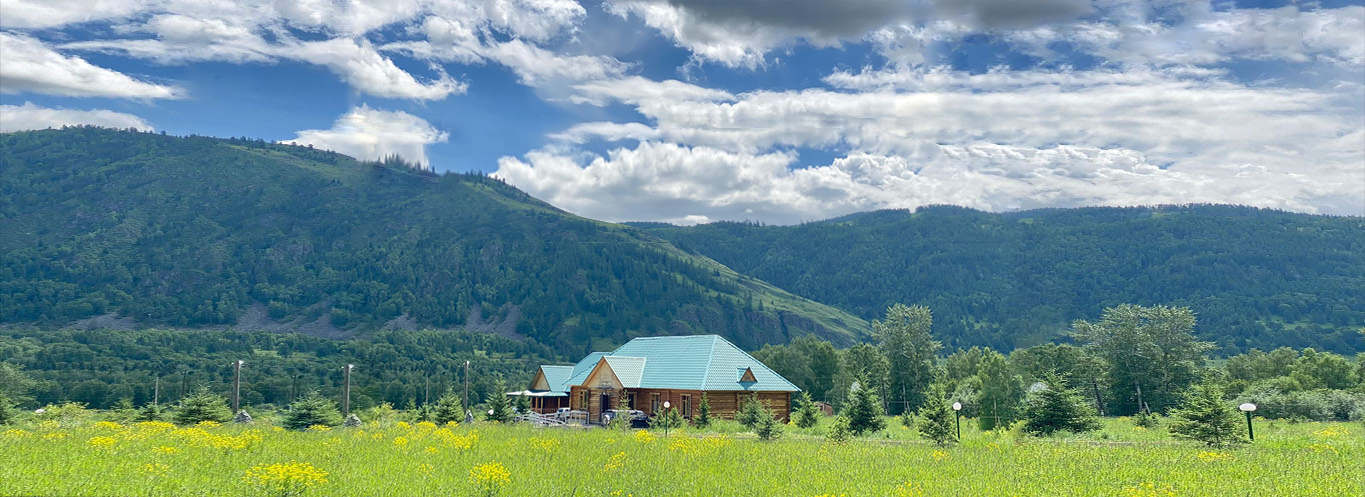








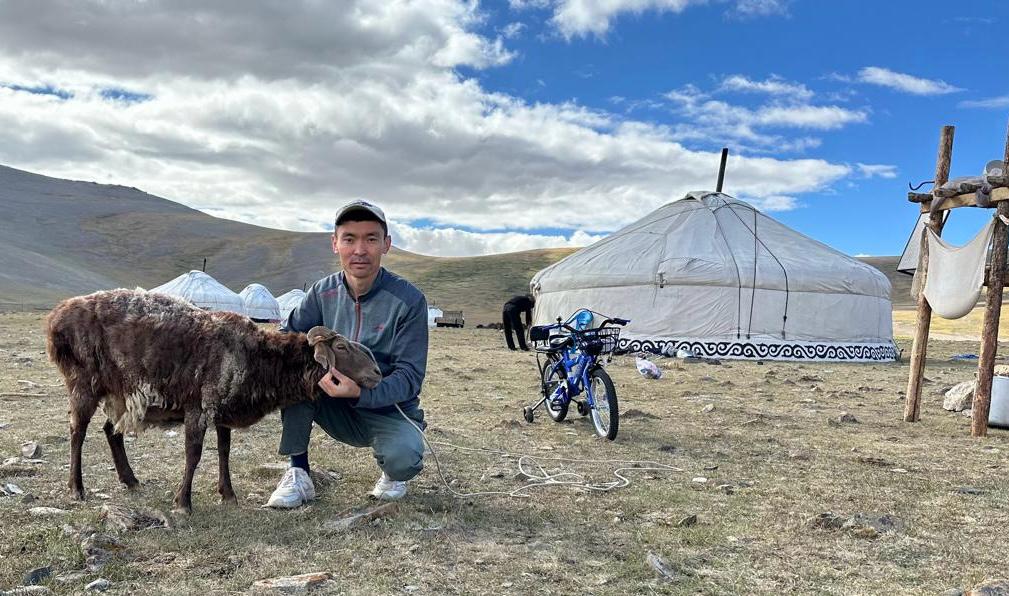
The research trip was conducted from 20 July to 18 August 2026 in Bayan-Ölgii Province, Mongolia. The research covered the city of Ölgii and the soums of Tsengel, Tolbo, and Delüün. Bayan-Ölgii is one of the major historical and ethnographic regions where traditional Kazakh culture and nomadic pastoral practices continue to be preserved.
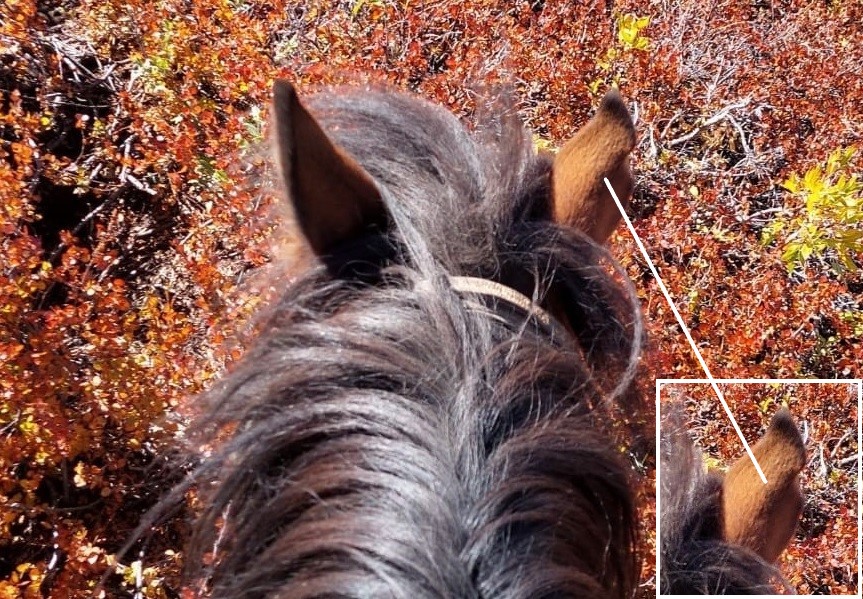
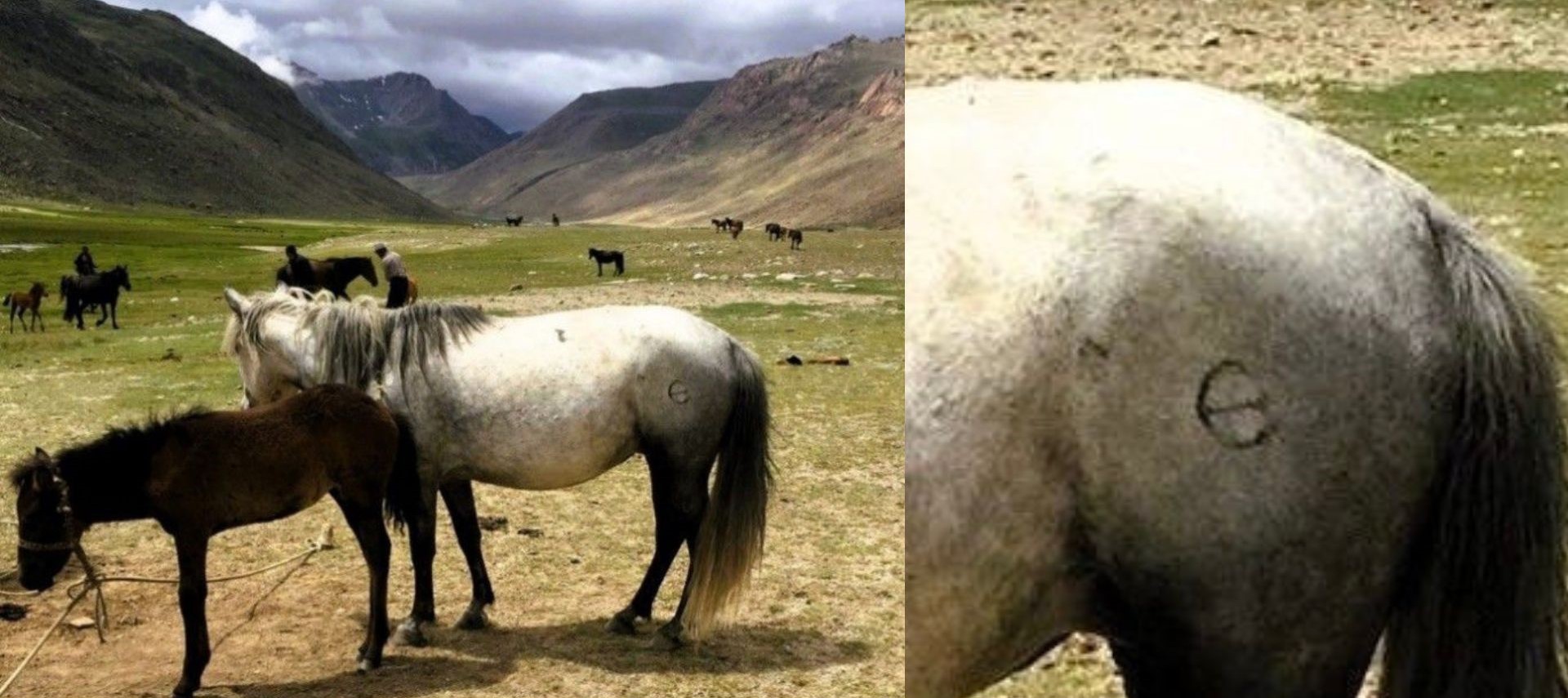
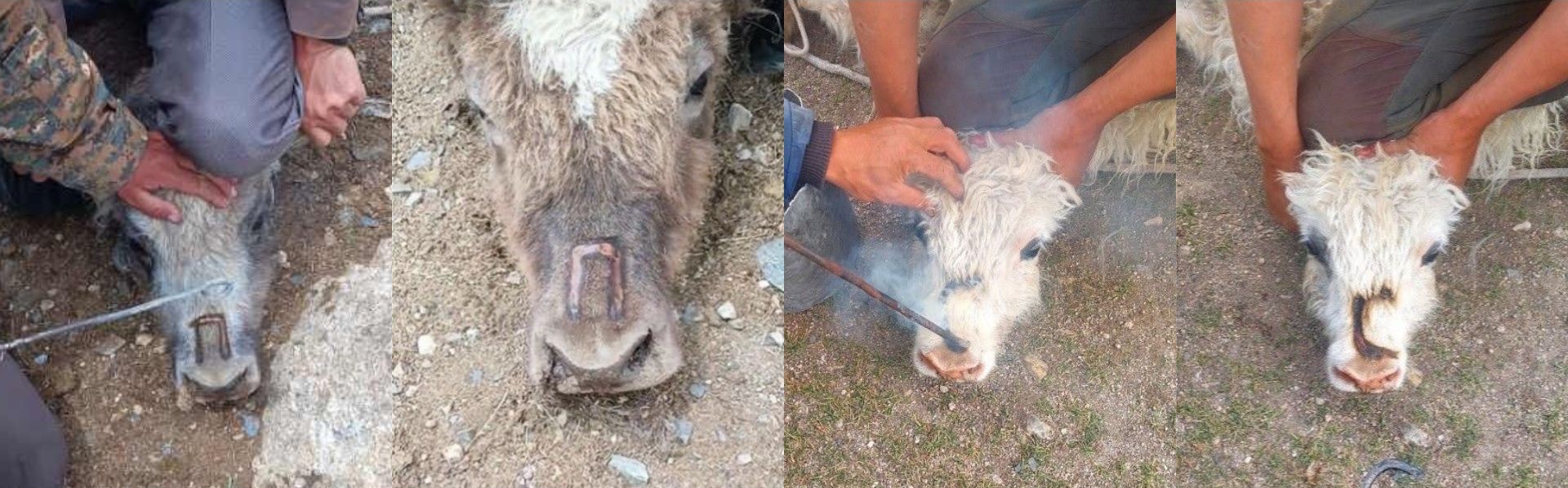
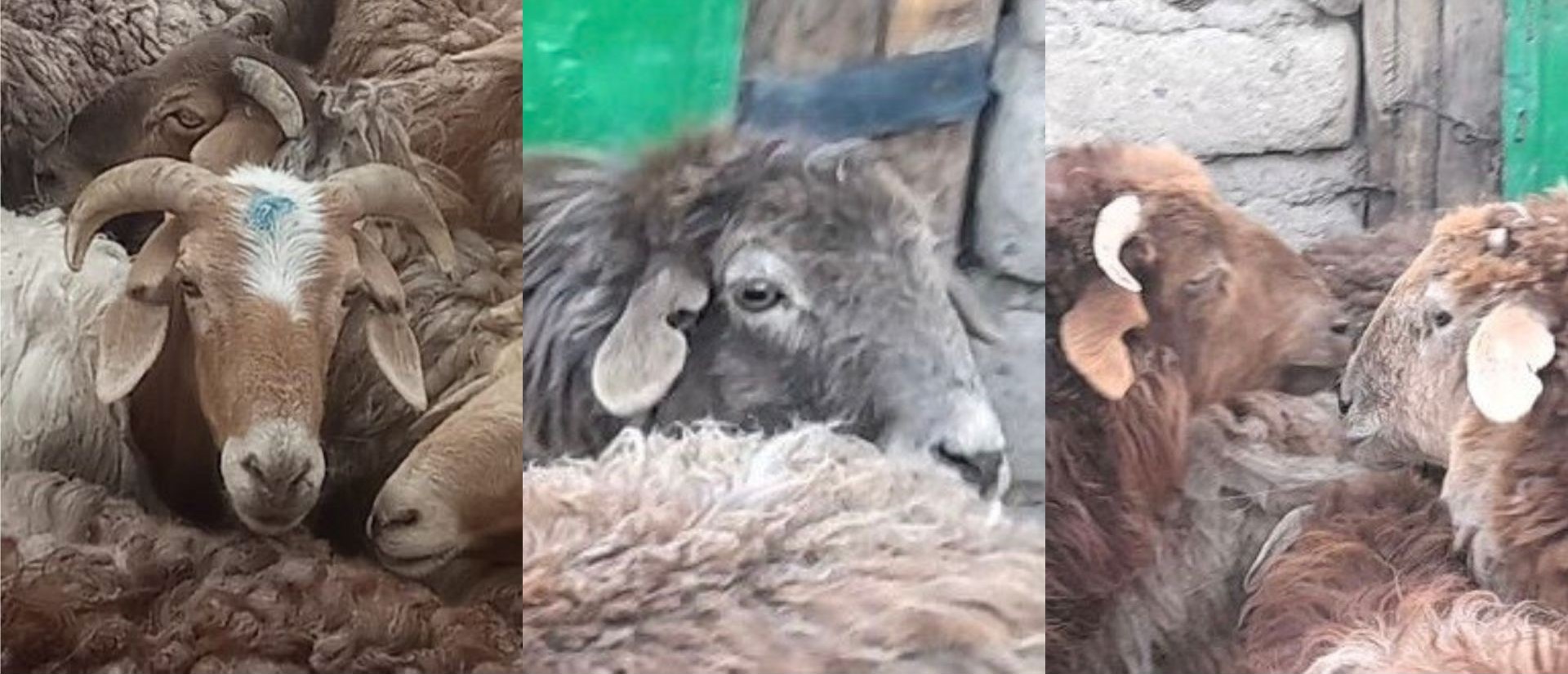
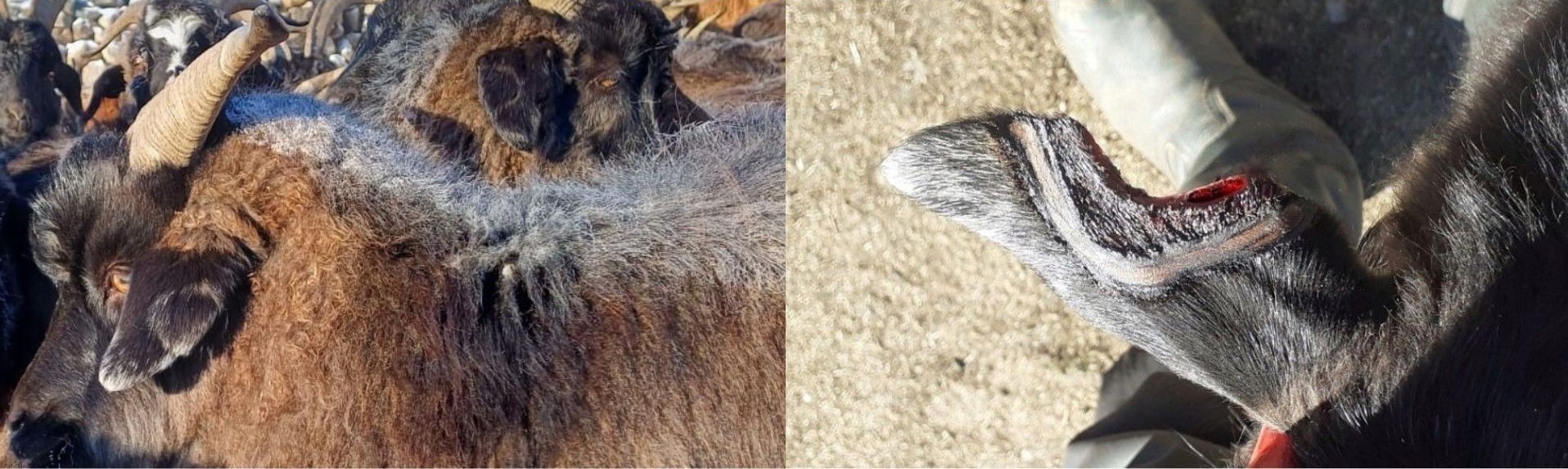
The purpose of the research trip was to conduct a historical and ethnographic study of the traditional livestock marking system among the Kazakhs of Mongolia, including ear-marking practices, customs and rituals associated with tamgas, and related aspects of material culture. The fieldwork employed interviews, direct observation, photographic and video documentation, graphic recording, and comparative analysis. In addition, materials on livestock marking traditions among the Tuvans of Tsengel Soum were collected, providing a source base for a comparative study of Kazakh and Tuvan systems of signs and tamgas.
As part of the research, relevant ethnographic, historical, and local-history materials held in the collections of the Bayan-Ölgii Provincial Museum and Central Library were examined. During field research at the Töñirek summer pasture in Delüün Soum, more than 300 petroglyphs, tamgas, and symbolic images were documented. At the Zhalgyzagash summer pasture, ancient Turkic stone sculptures and associated tamgas were documented and studied. The collected field materials provide an important source base for further research into the tamga culture of the Kazakhs of Mongolia, its historical continuity, and the sign systems of the nomadic peoples of the Altai region.
https://berelmuseum.kz/en/science/event-calendar/862-research-trip-to-mongolia.html#sigFreeIda429eb16ba