








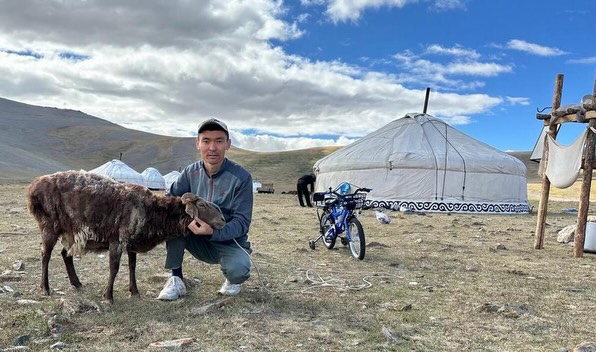
As part of the implementation of the scientific project IRN AP23486716 "Sign System and Tamgas of the Kazakhs of Altai" at the State Historical and Cultural Museum‑Reserve "Berel," the project implementer, leading researcher Shynarbek Seitkhan, was on a research trip to the Bayan‑Ulgii aimag of Mongolia from July 20 to August 18, 2026.
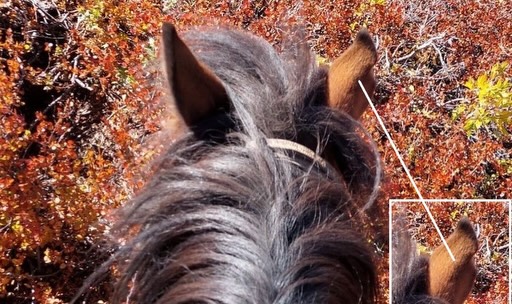
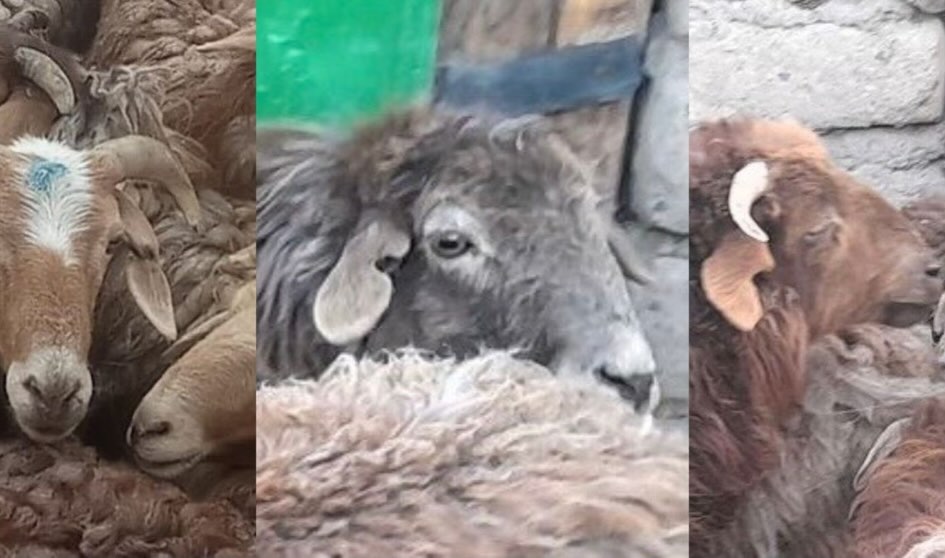
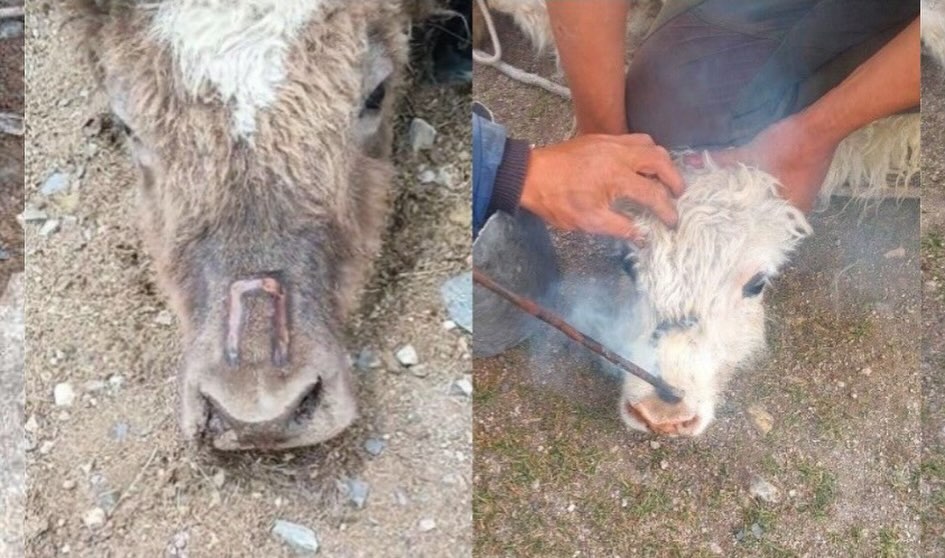
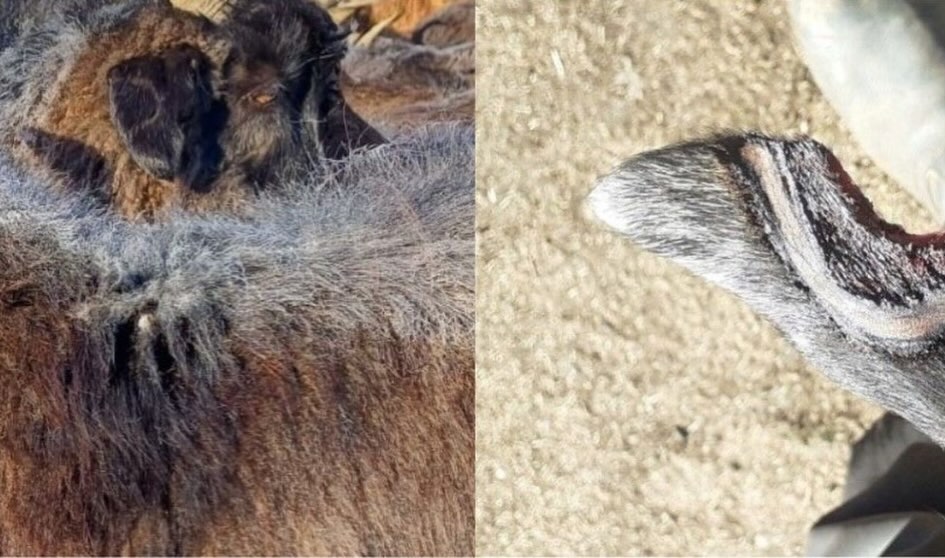
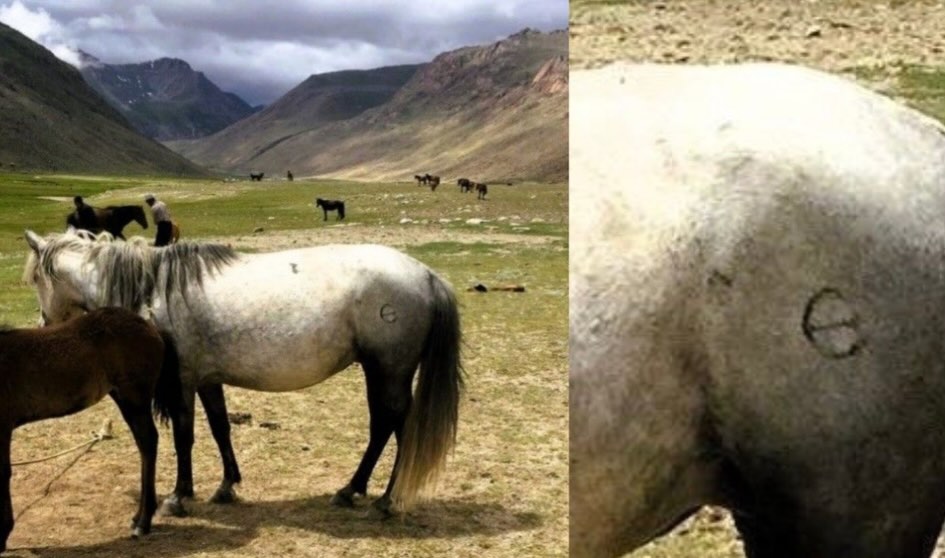
Field research was conducted in the city of Ulgii, as well as in the sumons of Tsengel, Tolbo, and Deluun. The main goal of the expedition was to conduct a historical and ethnographic study of the traditional livestock marking system preserved among the Kazakhs of Mongolia, including the associated customs and practices, methods of branding, and the application of ear tags (en).
During the fieldwork, ethnographic information about livestock marking traditions was collected, and various types of tamgas and ear tags, as well as the specifics of their use and transmission from generation to generation, were recorded. Particular attention was paid to the issues of the continuity of this tradition and the degree to which it has been preserved in the modern livestock‑breeding practices of the Kazakhs in Mongolia. The collected materials were supplemented with photo and video documentation.
The results of the research conducted in Mongolia are of great importance for the comparative study of the sign system of the Altai Kazakhs and make it possible to identify both common features and local specificities of the traditions of marking livestock among the Kazakh population in various regions of Altai.
The obtained field materials will be systematized, subjected to scientific processing, and introduced into scientific circulation as part of the implementation of the IRN AP23486716 project "The Sign System and Tamgas of the Kazakhs of Altai."
View the embedded image gallery online at:
https://berelmuseum.kz/en/infocenter/news-archive/836-sign-system-and-tamgas-of-the-kazakhs-of-altai.html#sigFreeIdc04eeb4e52
https://berelmuseum.kz/en/infocenter/news-archive/836-sign-system-and-tamgas-of-the-kazakhs-of-altai.html#sigFreeIdc04eeb4e52